Mechanistic interpretability, human-centered XAI, reliable temporal learning, and generative-AI evaluation.
Interdisciplinary by design.
Rigorous by practice.
I lead applied AI research by pairing methodological depth with the domain expertise required to make models useful, interpretable, and trustworthy.
& Research Lead
Muhammad Umair Danish, PhD
Postdoctoral Fellow in Applied AI · Western University
I shape the research agenda, build the methodological architecture, lead model development and validation, and coordinate the translation of technical findings into human and domain outcomes.
Controlled baselines, ablations, statistical validation, reproducible implementation, and failure analysis.
Connecting AI methods to energy, finance, imaging, music therapy, health, and cybersecurity.
Publication strategy, visual explanation, open software, and collaborative scholarly development.
Complementary expertise.
Shared standards of evidence.
These collaborations are central to my current research programme and connect technical AI development with supervision, human-centered evaluation, clinical interpretation, and domain-grounded study design.
01Katarina Grolinger, PhD, P.Eng.
Canada Research Chair in Engineering Applications of Machine Learning · Associate Professor
Dr. Grolinger provides long-term scientific supervision across my doctoral and postdoctoral research, with a shared focus on reliable machine learning, energy applications, interpretability, and rigorous empirical evaluation.
Research supervision, methodological direction, energy forecasting, physics-guided learning, interpretability, and publication development.
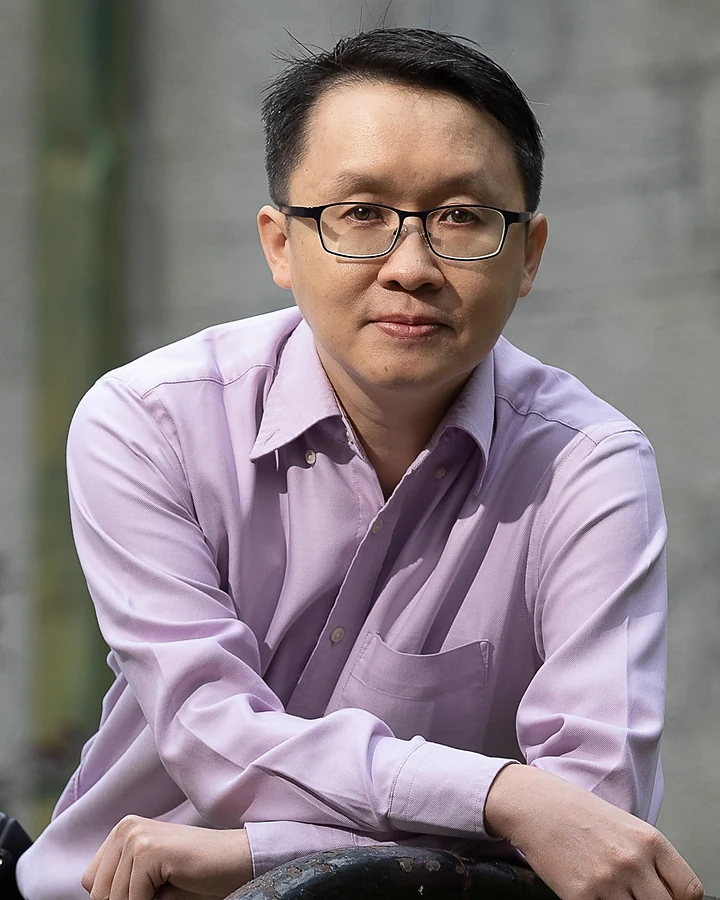
02Umair Rehman, PhD
Assistant Professor · Director, Human-Centered Computing Group
Our collaboration combines explainable AI with human-computer interaction and cognitive engineering to study not only how models explain decisions, but how people understand, trust, and use those explanations.
Linear Lens, GLIPS, unified evaluation of AI-generated images, and ongoing human-centered XAI research.
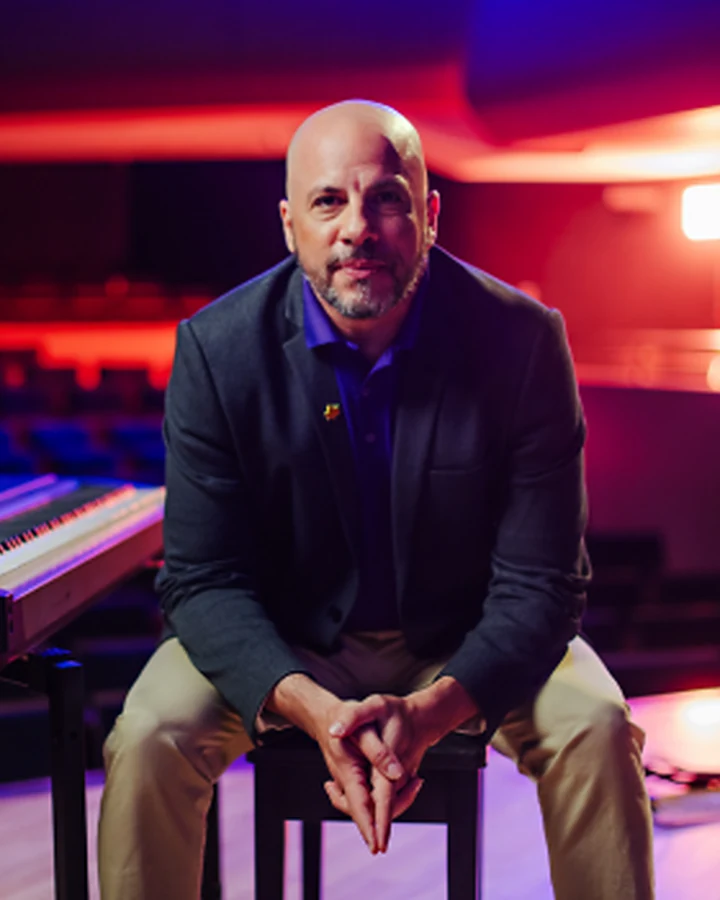
03Demian Kogutek, PhD, MTA
Assistant Professor, Music Therapy · Director, Conrad Institute for Music Therapy Research
Our interdisciplinary work translates improvisational music-therapy practice into reproducible computational analysis while preserving the clinical meaning of timing, interaction, and musical response.
MidiPy and advanced correlation analysis for improvised active music-therapy sessions and scripts.
04Aleksandra Zecevic, PhD
Professor · School of Health Studies
This collaboration connects human factors, safety, aging, and health research with the evaluation of human-facing AI explanations and the decisions people make when assisted by intelligent systems.
Human–AI interaction studies examining how textual, graphical, and interactive explanations affect trust, understanding, cognitive response, and decision making.
Shared work, clearly connected.
Select a programme to see how complementary expertise contributes to the research.
Linear Lens
A non-interventional, human-centered approach for explaining internal neural representations without modifying deployed models.
Security, privacy, and high-stakes analytics.
Senior collaborators extend the programme into cybersecurity, digital forensics, privacy-aware analytics, and complex evidence environments.
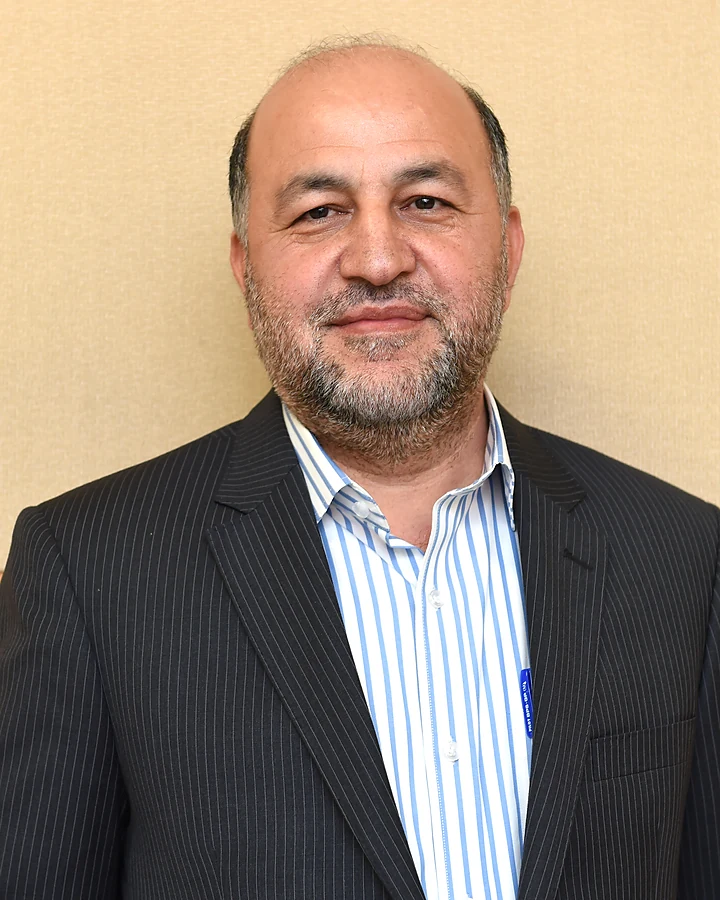
Farkhund Iqbal, PhD
Professor, Zayed University. Shared interests include explainable machine learning, digital forensics, cybersecurity, and financial-credit evaluation.
Official profile ↗
Benjamin C. M. Fung, PhD, P.Eng.
Professor, McGill University. The research connection spans data mining, privacy protection, cybersecurity, and evidence-driven AI systems.
Official profile ↗Strong collaborations make the evidence stronger.
Technical objectives are aligned with the human, scientific, or domain decision the work must support.
Baselines, outcomes, validation criteria, and interpretation plans are established before conclusions are drawn.
Code, assumptions, datasets, and failure modes are made explicit so results can be examined and extended.
Building interpretable AI for real decisions?
I welcome research conversations where methodological rigor and domain relevance are equally important.