
Understand before trusting.
Explainability should reveal evidence, assumptions, and failure modes—not just produce a prettier explanation.
Research →I build AI systems that people can understand, question, and trust.
My research connects explainable AI, machine learning, energy systems, time-series forecasting, and human-centered evaluation. I care about turning technical ideas into methods and software that remain useful beyond a paper.
I am an AI researcher who enjoys the full path from a difficult question to an experiment, a reproducible result, and something another person can actually try. My work is technical, but the goal is practical: make intelligent systems more understandable, reliable, and useful.
My background and journeyExplainability should reveal evidence, assumptions, and failure modes—not just produce a prettier explanation.
Research →I focus on problems where models meet physical processes, people, operational constraints, and imperfect data.
Research →Where possible, I turn research into open software, reproducible examples, and tools others can inspect themselves.
Software →Representative work spanning energy intelligence, perceptual evaluation, and human-centered AI.
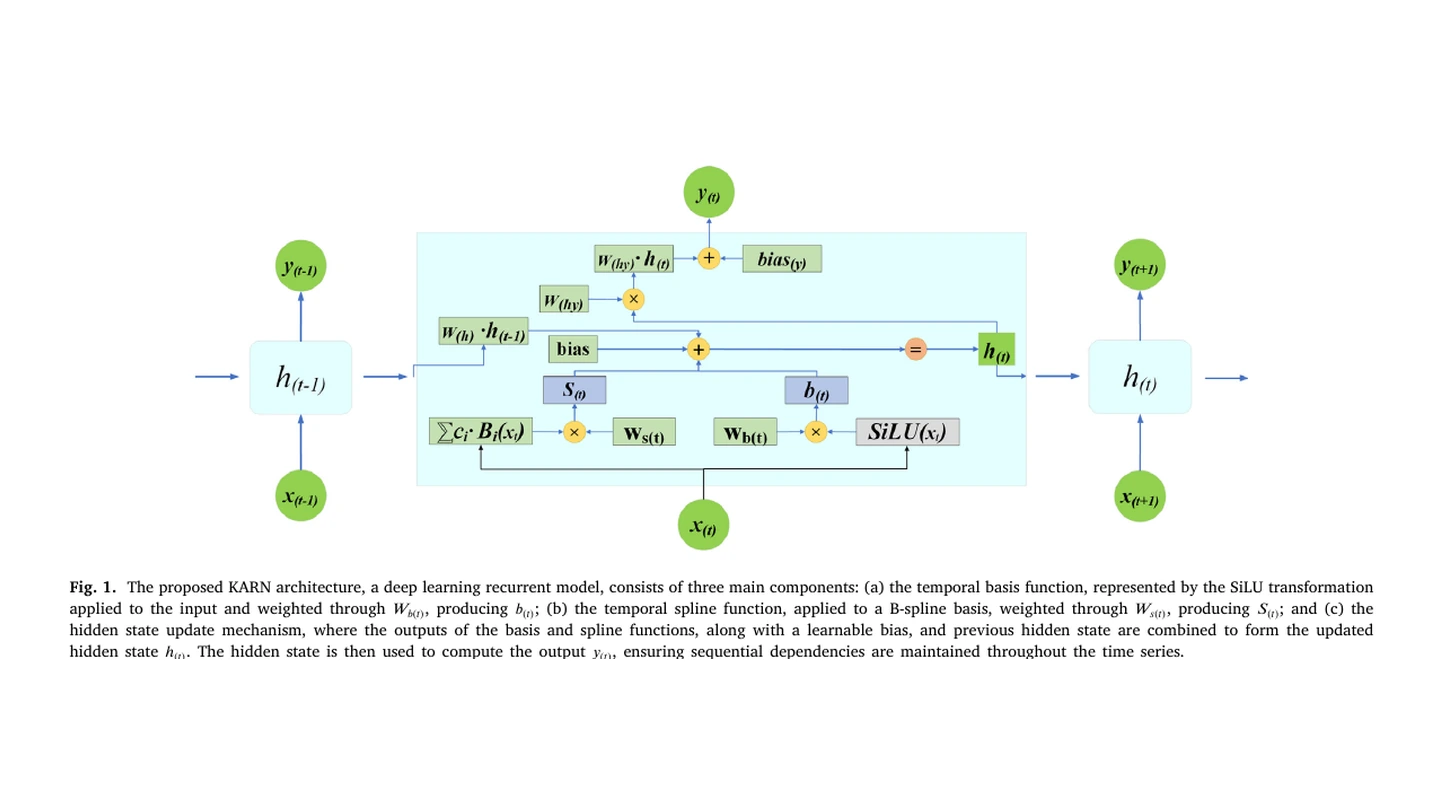
Contribution: Develops a recurrent architecture based on Kolmogorov-Arnold representations for forecasting heterogeneous consumer loads.
Why it matters: forecasting methods need to generalize across very different consumers—not only one convenient load profile.
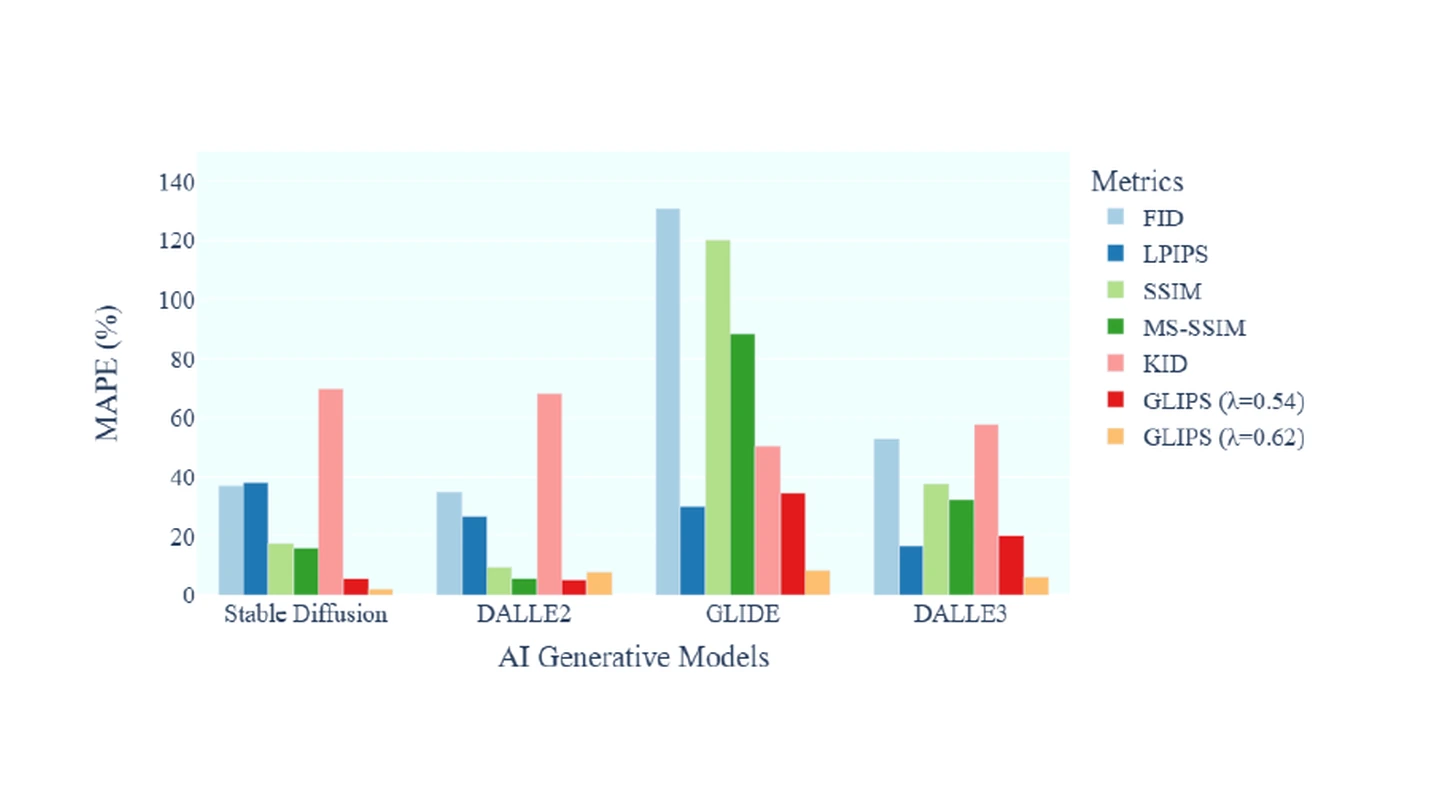
Contribution: Introduces a perceptual score that combines global and local evidence to evaluate photorealistic quality.
Why it matters: image-quality metrics should better reflect what people actually perceive.
Contribution: Integrates human judgments and automated image-quality metrics into a unified framework.
Why it matters: automated scores become more meaningful when interpreted together with human judgments.
Each area addresses a distinct part of building machine-learning systems that can be understood, evaluated, and applied responsibly.
Mechanistic and model-level methods for understanding learned representations and predictions.
Explore this area →Learning systems that incorporate physical structure, constraints, memory, and domain knowledge.
Explore this area →Forecasting, robust temporal modeling, and adaptive learning across heterogeneous energy systems.
Explore this area →Human-centered evaluation and reliable machine learning across perception, imaging, finance, and applied domains.
Explore this area →Open scientific tools that turn research ideas into inspectable, reproducible workflows.
Non-interventional, human-centered mechanistic interpretability for neuron roles, layer fingerprints, and semantic pathways.
Bounded, asymmetric and invertible preprocessing for numeric machine-learning features with public benchmark evidence.
Local-first scientific evaluation for regression, classification, segmentation, and image registration.
Analyze source code for time and space complexity using a deterministic, explainable reasoning trace.
Accepted work is labeled as accepted rather than published.
52nd Annual Conference of the IEEE Industrial Electronics Society (IECON 2026)
52nd Annual Conference of the IEEE Industrial Electronics Society (IECON 2026)
Approaches: An Interdisciplinary Journal of Music Therapy
PhD in Electrical and Computer Engineering · Western University
A short historical event is loaded from Wikipedia’s “On this day” feed.
People I work with across explainable AI, energy intelligence, human factors, and interdisciplinary research.
I am open to research collaborations, applied AI projects, academic opportunities, and technical discussions around interpretable machine learning and research software.
A live geographic view of visitors reaching this website.